A concrete fireplace in Holland, MI needs more than a style choice. Lake-effect winters, Ottawa County frost depth, and local burn rules all shape what gets built and how long it lasts. Here's what to know before you pick a style or call a contractor.
How Much Does a Concrete Fireplace Cost in Holland, MI?
Price depends on whether you're buying a simple fire bowl or a full custom masonry build. Multiple 2026 outdoor-living cost surveys put the national ranges in a fairly consistent band, and West Michigan labor rates generally fall in the middle of those ranges.
| Project Type | Typical Cost Range | What's Included |
|---|---|---|
| Concrete fire bowl or fire pit | $200 - $900 | Precast bowl, basic base prep, delivery |
| Fire table (concrete base) | $2,000 - $6,000 | Burner, propane or natural gas hookup, concrete surround |
| Prefab/precast fireplace kit | $1,200 - $9,000 | Concrete firebox shell, chimney components, insert |
| Custom masonry with concrete core | $6,000 - $21,000+ | Full veneer, custom hearth, chimney, site work |
Site prep is the line item most homeowners underestimate. A reinforced pad, a gas line trench, or a footing dug to Michigan's frost depth can add real cost before the fireplace itself ever arrives on site.
The 3 Most Popular Types of Concrete Outdoor Fireplaces for a Holland Backyard
Before choosing a concrete fireplace, it helps to know the three basic structure categories and how concrete performs in each. Every option carries different costs, fuel needs, and footprints.
Outdoor Fireplaces
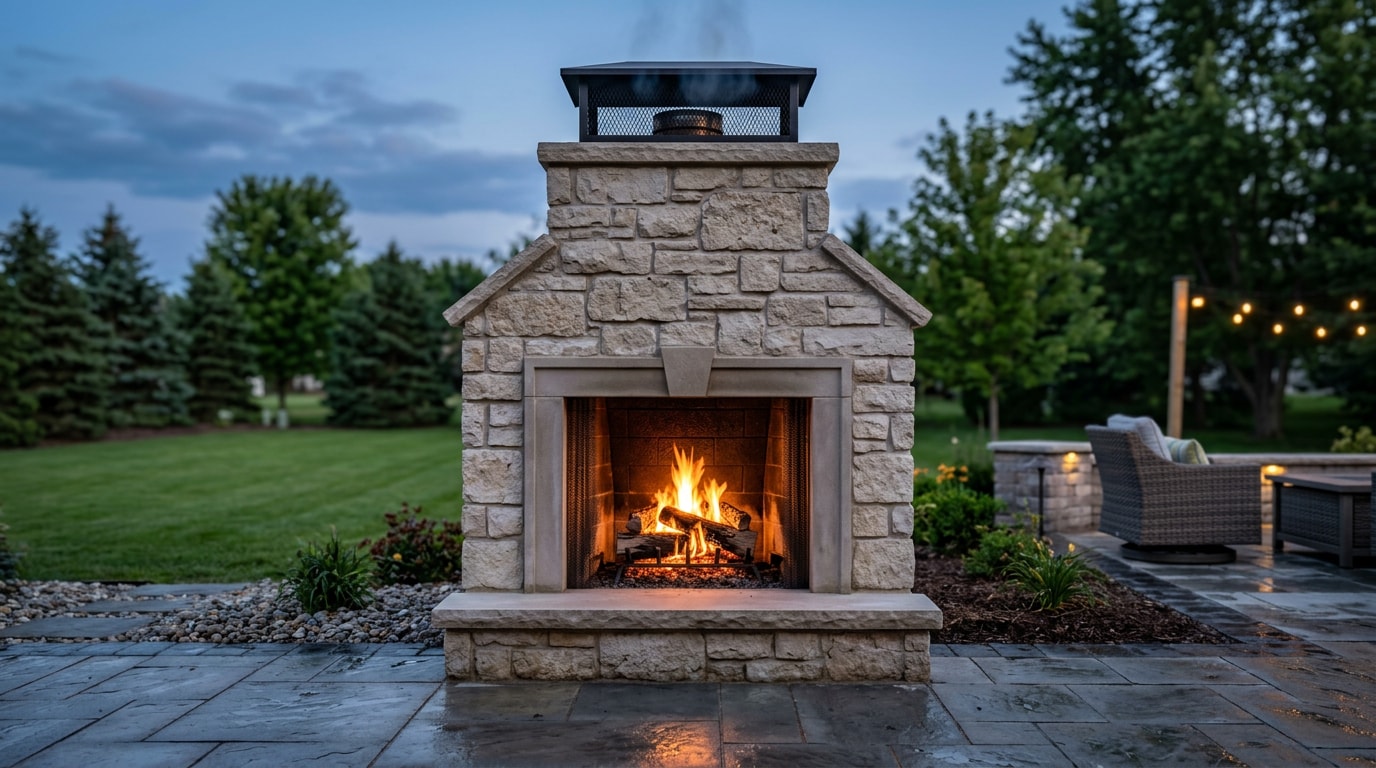
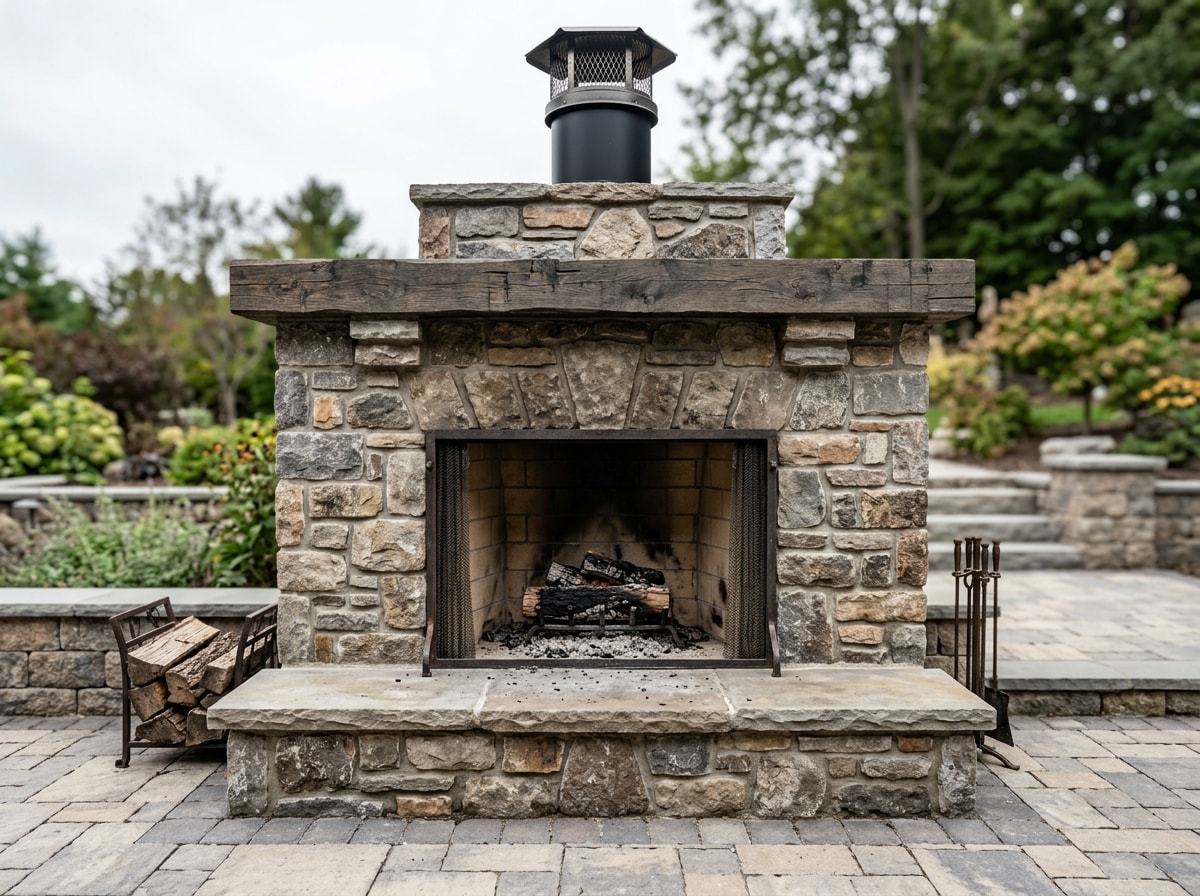
Freestanding concrete outdoor fireplaces sit apart from the home, while chimney-style builds vent upward through a flue. Precast concrete shells hold up well against West Michigan winters and cost less than full stone or brick veneer, though veneer can be added over a concrete core for a custom look. Most units run on wood or gas, and that choice affects both the chimney design and ongoing fuel costs.
Fire Tables
A fire table pairs a flat, usable surface with a built-in burner, typically running on propane or natural gas rather than wood. Sizes commonly range from compact two-person tables to larger models that seat six or more around the flame. Concrete is a popular material for the table base and surround because it resists weathering better than wood or thin metal panels.
Fire Bowls
A concrete fire bowl is a standalone, bowl-shaped fire feature usually fueled by propane or natural gas and valued for its clean, modern look on a patio. Not every concrete mix is rated for direct, sustained heat exposure. Standard concrete can crack or spall under repeated high-heat cycles unless it's formulated or lined for that purpose, so confirm heat-resistant construction before buying.
4 Things to Know Before You Install a Concrete Fireplace in West Michigan
Once you've picked a style, these four factors determine whether the fireplace performs through a real West Michigan winter, not just a mild one.
Gas vs. Wood vs. Electric
Wood-burning fireplaces offer the classic crackle and scent but come with smoke, ash, and sometimes local burn restrictions. Gas fireplaces need a dedicated gas line, while electric inserts simply require a nearby outlet and skip the open flame entirely. A concrete fireplace surround works with any of these fuel types, so the decision mostly comes down to convenience, local code, and how hands-on you want the upkeep to be.
Location and Clearance
Plan for distance from the house, property lines, fences, and overhanging branches before you pour a pad. The U.S. Fire Administration's outdoor fire guidance recommends keeping chimneys, outdoor fireplaces, and fire pits at least 10 feet away from your home or anything combustible. For masonry-style units, the International Residential Code's fireplace clearance section also sets minimum distances between combustible materials and the firebox itself, separate from the overall setback from the house.
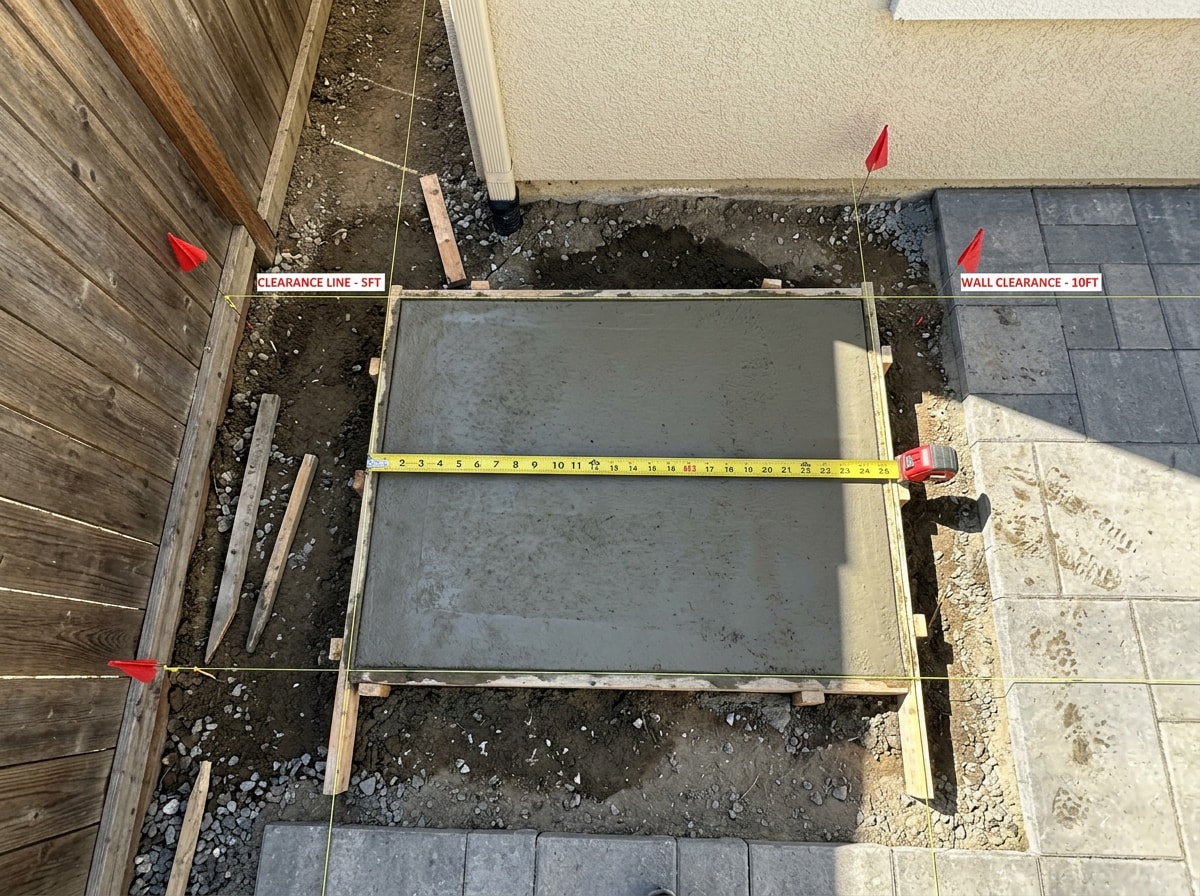
A concrete fireplace base also needs enough patio space around it to fit seating comfortably within the broader outdoor living layout, not just the structure itself.
Freeze-Thaw Maintenance
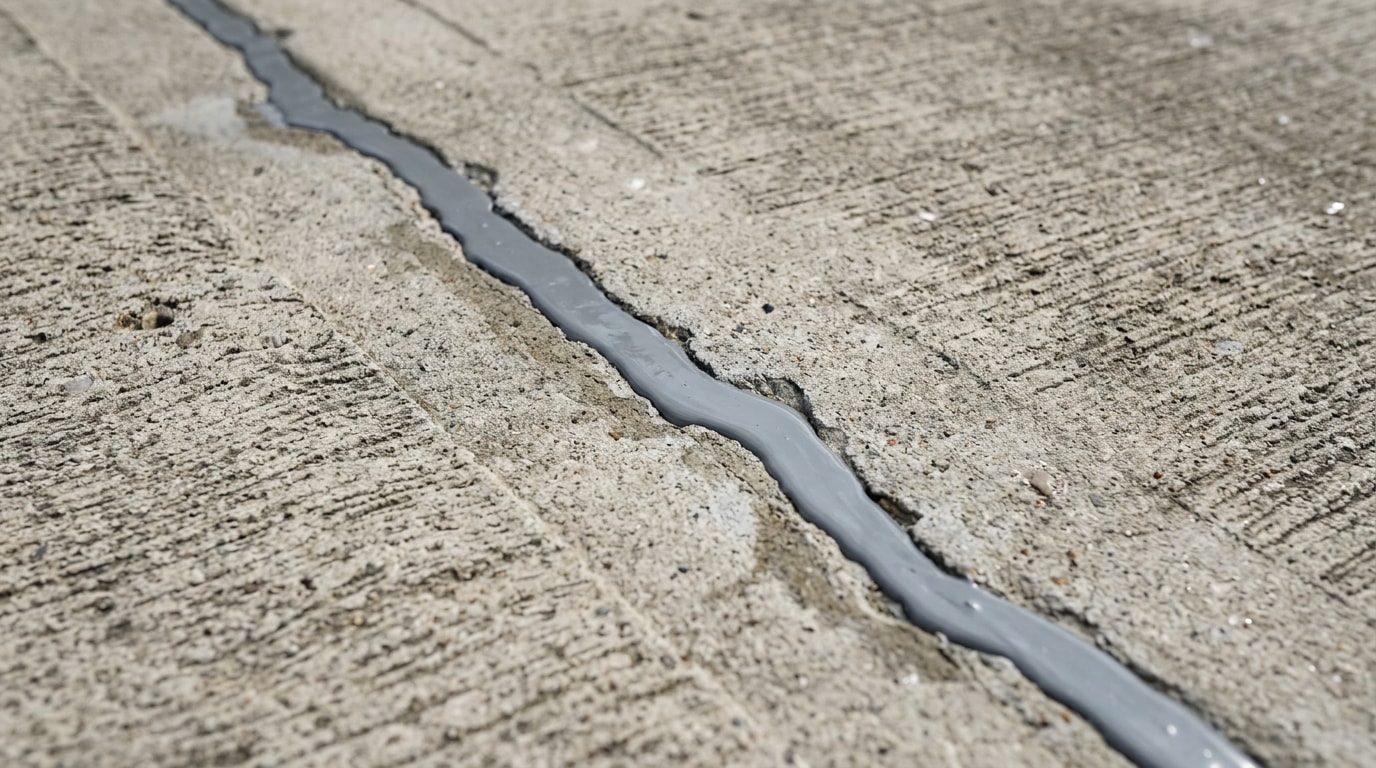
Seasonal upkeep starts with clearing ash and debris after each burn and doing a deeper clean before winter. Concrete adds one more step: periodic sealing to protect surfaces from Michigan's freeze-thaw cycles, which otherwise cause surface flaking and hairline cracking over several seasons. We cover the repair side of this in our concrete resurfacing cost guide, which walks through when resurfacing makes more sense than a full tear-out.
Local Fire Code and Permits
Rules vary block by block in Michigan, which catches a lot of homeowners off guard. In nearby Grand Rapids, the fire department's 2026 reminder on recreational-fire permits notes that wood-burning fires require a permit while gas or propane fire pits generally do not, and that neighbors within 120 feet can be notified of a new permit application. Holland and Ottawa County set their own rules, so confirm exact requirements with the local fire marshal or building department before you pour a slab or schedule delivery.
Precast Concrete Fireplace Kits: Grand vs. Compact
Factory precast lines show what a kit actually includes before you commit to custom masonry. Lineups built around names like Grand, Victorian, Colonial, and Compact are common in West Michigan supply yards, and the sizing pattern is fairly consistent across manufacturers.
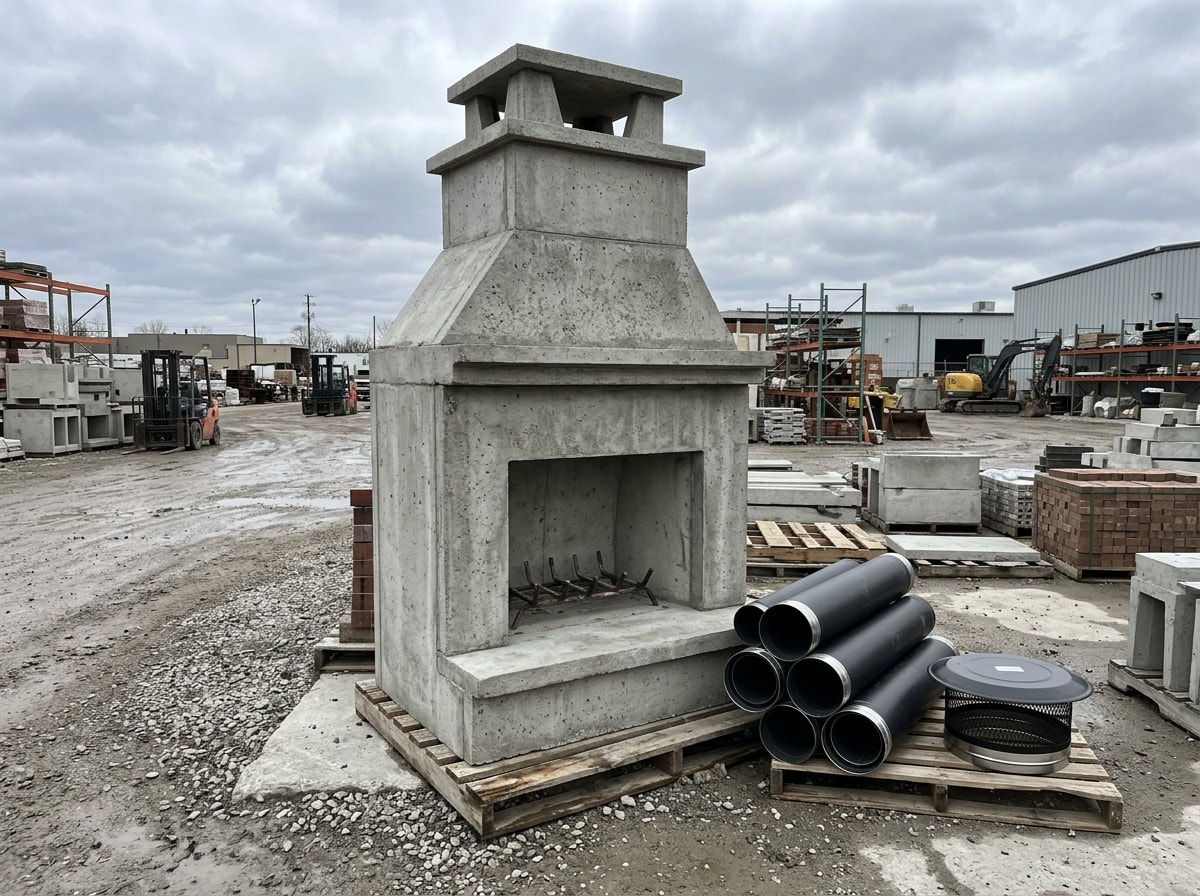
| Model Size Class | Typical Footprint | What's Usually Included | Best For |
|---|---|---|---|
| Large (Grand-style) | Largest footprint, heaviest | Wood-burning insert, chimney pipe, spark suppressor cap | Large patios, primary gathering space |
| Mid-large (Victorian-style) | Mid-large, heavy | Decorative firebox detailing, chimney components | Traditional-style backyards |
| Mid-size (Colonial-style) | Moderate | Firebox kit, standard chimney cap | Balanced cost and presence |
| Compact | Smallest, lightest | Firebrick lining, optional hearth kit | Small yards, budget installs |
Exact dimensions, weights, and included accessories vary by manufacturer and even by production run, so confirm current specs with whichever supplier you're buying from before ordering.
Why Your Fireplace Project Starts With the Concrete Pad
Here's something most fireplace buying guides skip entirely: the fireplace is only as good as what it's sitting on. We've poured and repaired concrete slabs across Ottawa County for years, and freeze-thaw cracking under fire features is one of the most common service calls we get every spring, almost always traced back to a pad that was poured too thin or too shallow.
A reinforced pad typically needs to be 4 to 8 inches thick depending on the structure's weight and soil conditions. That's the easy part. Michigan's own building code sets a 42-inch minimum footing depth for exterior footings statewide, well below where most homeowners think to dig, and footings for a heavy masonry fireplace often need to reach that depth even though the visible slab is much thinner.
If you're planning a fireplace, patio pad, or any concrete work tied to the project, get a free estimate before you order materials. We serve homeowners throughout Holland, MI and the surrounding Grand Rapids, MI area, and getting the base right the first time is cheaper than repairing a cracked pad after one hard winter.
FAQ
How far does a concrete fireplace need to be from my house in Holland, MI?
A common baseline is at least 10 feet from the house, fences, and property lines, per general fire safety guidance. Local fire code can require more, especially for wood-burning units, so confirm the exact number with Holland's fire department before finalizing placement.
How much space do I need around an outdoor concrete fireplace?
Beyond the minimum clearance distance, keep roughly 3 feet of open space free of flammable material directly around the fireplace. Add more for seating, walkways, and anything stored nearby.
How deep should the concrete pad be for an outdoor fireplace?
A reinforced pad typically runs 4 to 8 inches thick depending on the unit's weight. Footings supporting a heavy masonry structure often need to reach Michigan's 42-inch frost depth, which goes well past the slab itself.
Do I need a permit for an outdoor fireplace in Michigan?
It depends on fuel type and your municipality. Many Michigan cities require a permit for wood-burning recreational fires but not for gas or propane units, though rules differ by city, so check with Holland's building or fire department directly.
How do I maintain a concrete fireplace through West Michigan winters?
Clear ash and debris after each use and do one thorough cleaning before winter. Seal the concrete periodically to protect it from freeze-thaw cycles, which cause surface flaking if left unaddressed for several seasons.
Gas, wood, or electric: which fuel source is best for a concrete fireplace?
Concrete surrounds work with all three. Gas offers convenience and fewer code hurdles, wood gives the classic ambiance but needs more clearance and cleanup, and electric is the lowest-maintenance option if you don't need real flame.
Ready to talk through site prep, pad thickness, or repair work for an existing fireplace pad? Contact us for a free estimate, or visit the Edwards Sealcoating and Asphalt Repairs homepage to see the full range of concrete and paving work we handle across West Michigan.