A good concrete driveway sealer in Ludington, MI is the difference between a slab that shrugs off lake-effect winters and one that's flaking apart by year ten. This guide compares penetrating and acrylic sealers, lays out real cost and resealing timelines, and tells you when a DIY job is fine versus when to call a crew that already knows what this coastline does to concrete. By the end, you'll know which sealer fits your driveway and what it should cost to get it done right.
Penetrating vs. Acrylic Concrete Driveway Sealer: Which Wins in Ludington's Climate?
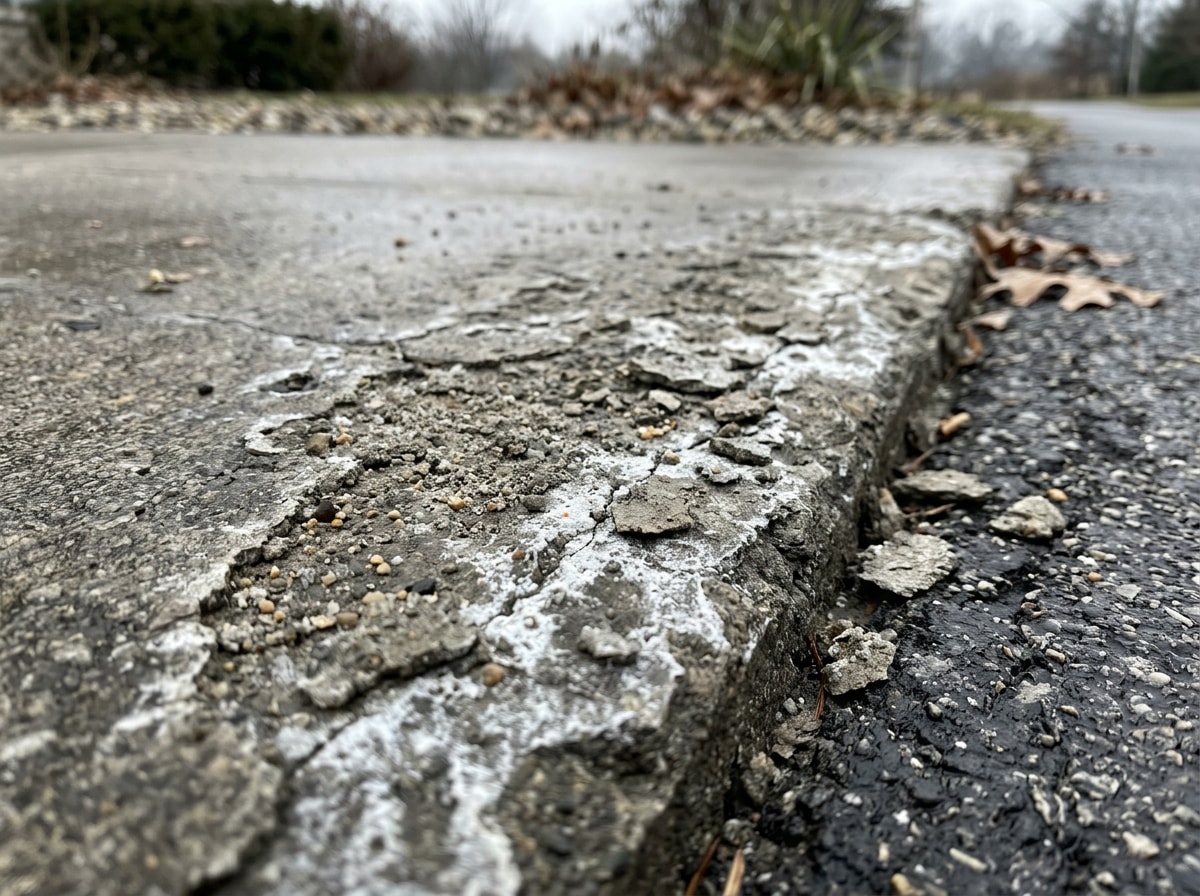
Unsealed concrete is porous. Water seeps into tiny surface cracks, freezes, expands, and pops off flakes of concrete in a cycle engineers call freeze-thaw deterioration. The concrete material deterioration mechanism under freeze-thaw cycles has been widely studied, and current theories point to hydrostatic pressure, osmolarity, and salt crystallization pressure as the main drivers. Road salt speeds the cycle up further by pulling moisture deeper into the slab before it refreezes.
Ludington sits inside the Lake Michigan snowbelt that runs up the state's west coast. The snow belt along Lake Michigan's eastern shore sees noticeably more snow than inland parts of the state, with some stretches logging snowfall in excess of 100 inches. More snow means more plowing, more salt, and more freeze-thaw cycles per winter than a driveway in Lansing or Kalamazoo ever sees.
In our own crews' experience sealing driveways across Mason County each spring, the slabs that hold up best are the ones sealed before the first visible salt staining shows up, not after. At Edwards Sealcoating and Asphalt Repairs, that's the single biggest predictor of whether a driveway needs patching in five years or in fifteen.
Nearly every sealer on the market falls into one of two families: penetrating sealers that soak into the concrete, or film-forming acrylic sealers that sit on top of it. Homes in our Ludington service area typically need one or the other depending on the driveway's finish.
Penetrating Sealers for Driveways
A penetrating concrete sealer uses silane-siloxane chemistry to soak into the concrete's pores and build a water-repellent barrier below the surface.
Because nothing sits on top of the slab, these sealers leave an invisible finish. They won't peel. They don't create a slick film underfoot.
That's why penetrating sealers are the default pick for plain broom-finish driveways. Silane-heavy formulas penetrate slightly deeper and cost a bit more. Siloxane-leaning blends are more budget-friendly but may need reapplication sooner.
Acrylic Sealers for Driveways
Acrylic concrete sealer forms a thin film on the surface, which is exactly what produces the glossy wet-look finish decorative concrete owners want. Coverage usually runs 200 to 350 square feet per gallon, and material cost is lower than most penetrating sealers up front. The recommended coverage rate for sealers can vary from 200 to 350 square feet per gallon.
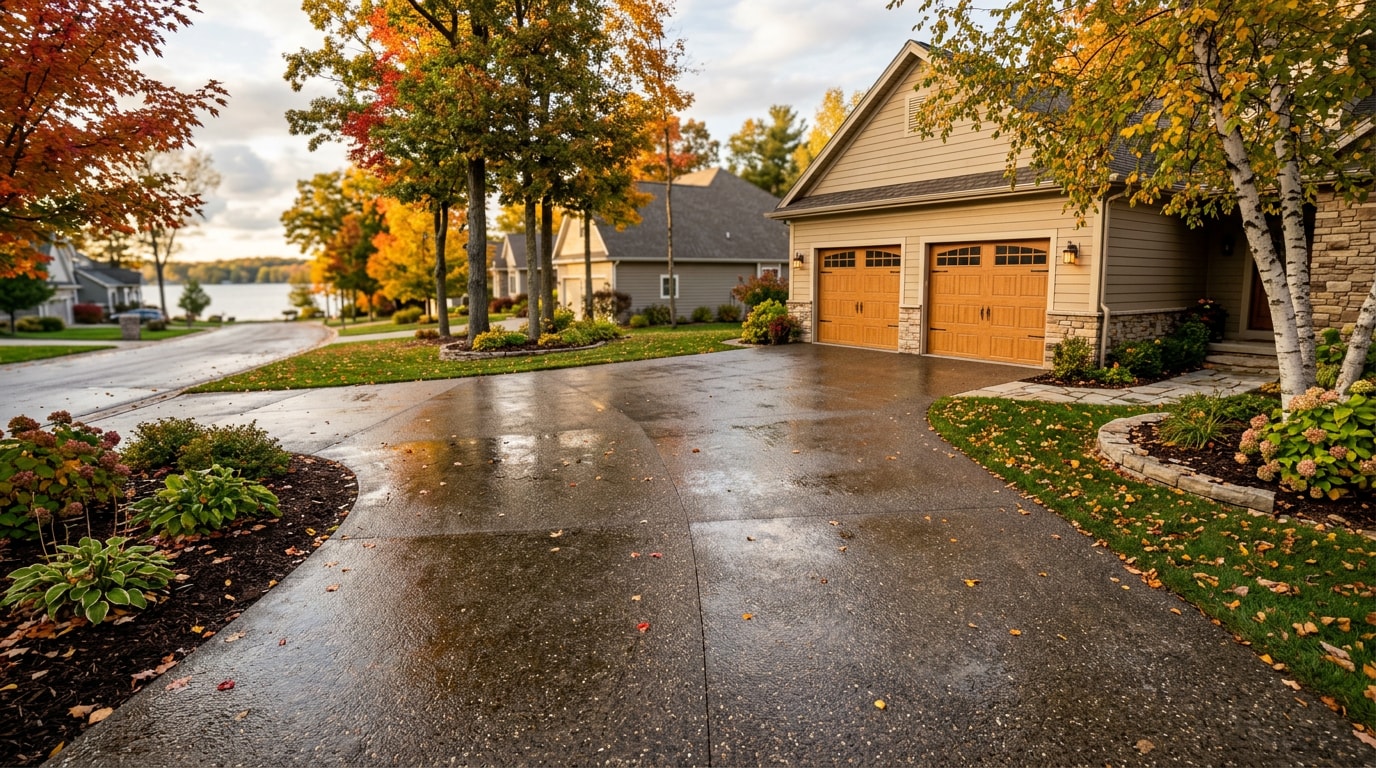
The tradeoff shows up fast. Since acrylic sits on top of the slab, tire tracks and foot traffic wear visible paths into the coating within a year or two. That makes film-forming sealers a strong fit for stamped or stained decorative concrete, where appearance matters more than daily wear resistance, but a weaker choice for a plain, daily-use driveway.
| Sealer Type | Typical Cost/Sq Ft (Materials) | Lifespan | Finish | Best Use Case |
|---|---|---|---|---|
| Penetrating (silane-siloxane) | $0.50 to $1.00 | Several years per coat | Invisible, natural | Plain gray, broom-finish driveways |
| Acrylic (film-forming) | $0.15 to $0.50 | 2 to 3 years, high-traffic areas | Wet look, glossy | Stamped or decorative concrete |
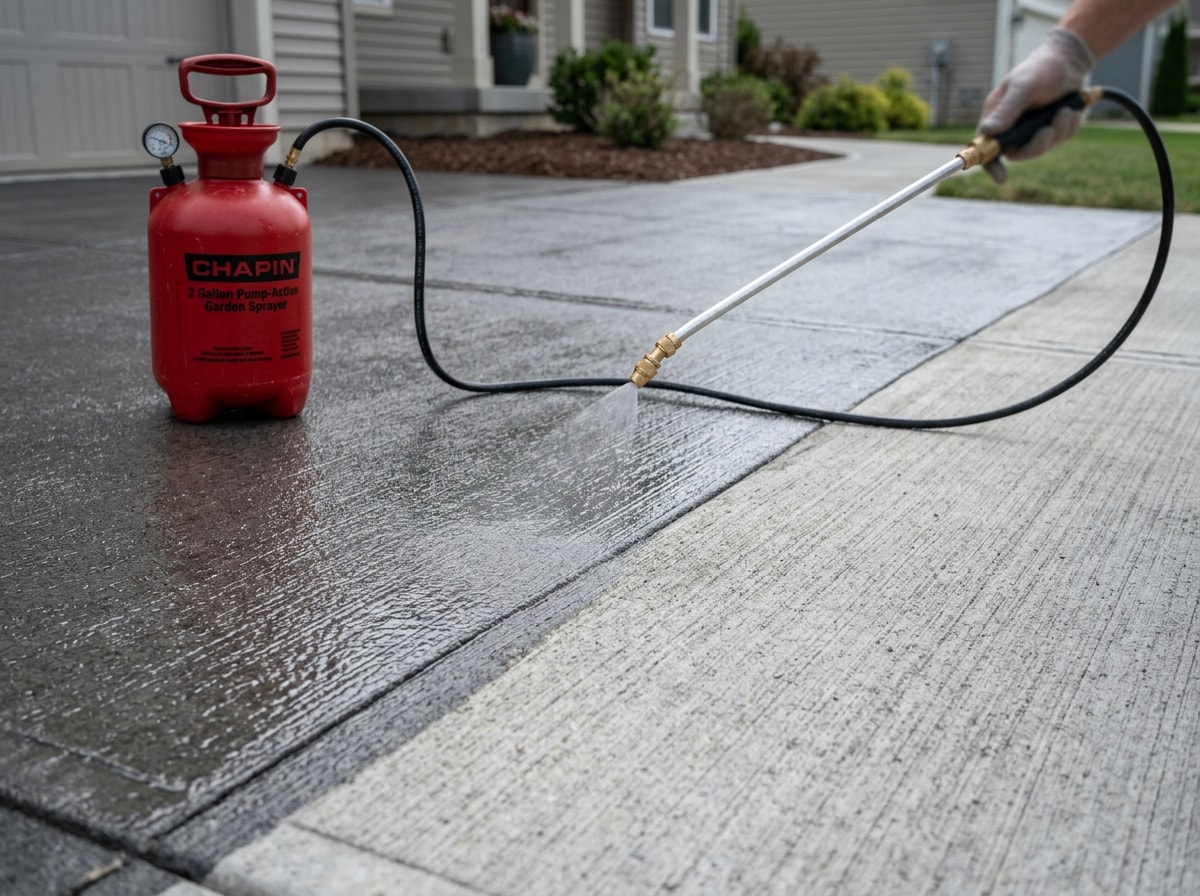
If your property also has an asphalt driveway section or a gravel pad that needs protecting, our asphalt sealcoating crew applies the same protect-before-winter approach to blacktop.
Which Sealer Fits Your Driveway?
Choosing a concrete sealer comes down to one question: what does your driveway look like right now?
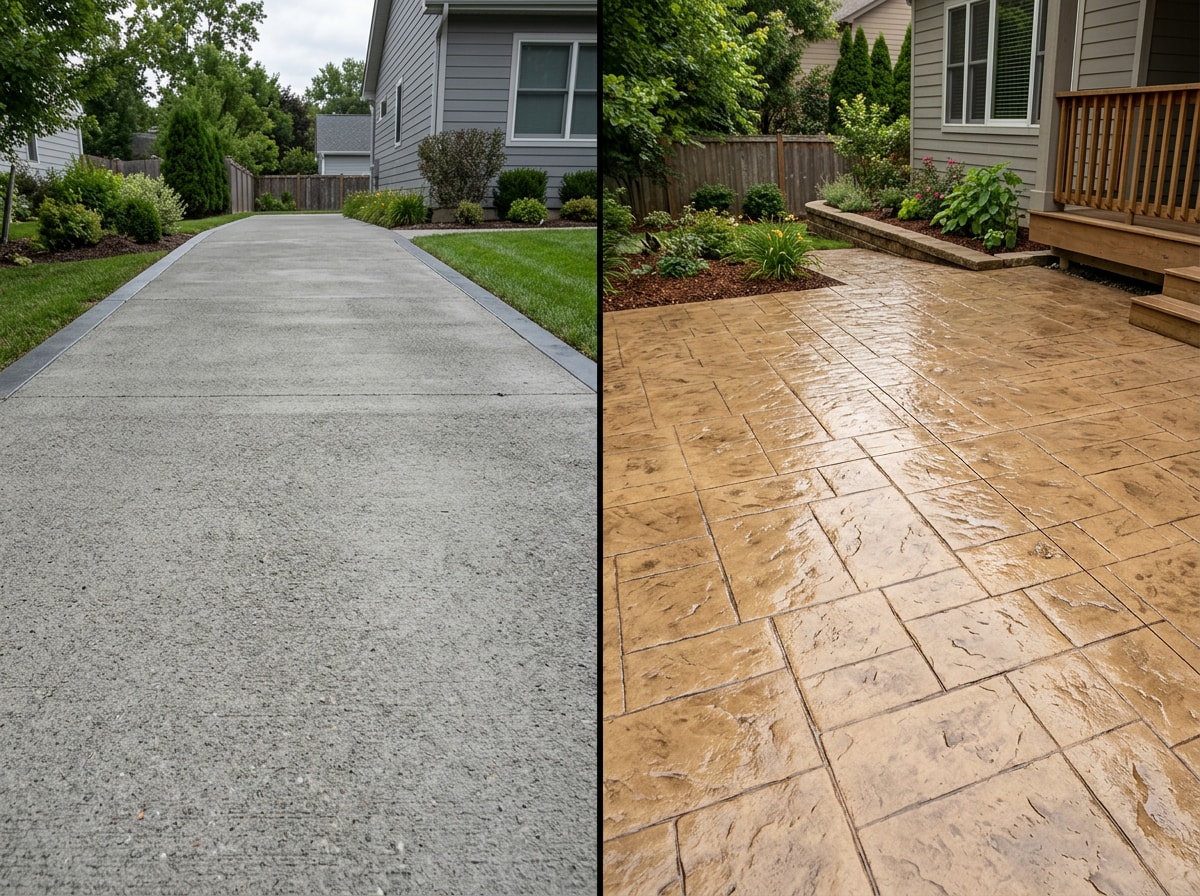
A standard gray broom-finish driveway calls for a penetrating silane-siloxane sealer, since it protects the slab without changing its look or adding slip risk.
A stamped or stained surface is a different story. Here, a solvent-based acrylic makes sense because it enhances color and adds the sheen stamped and stained finishes are designed to show off. The catch is upkeep: acrylic-sealed driveways typically need resealing on a shorter cycle than a penetrating product to keep that color looking fresh.
Not sure which category your driveway falls into? Request a free estimate and we'll inspect it before recommending a product.
How Often Should You Reseal a Concrete Driveway in Ludington?
Resealing frequency isn't one-size-fits-all. It depends mostly on two things: which sealer family you chose, and how much of it was actually applied the first time.
Type of Sealer
Film-forming acrylic sealers wear out faster in high-traffic, sun-exposed spots than in lightly used areas. A general rule of thumb is that higher-traffic and UV-exposed areas should receive new sealer every 2 to 3 years, while lighter-traffic and interior areas can last 4 to 5 years. Penetrating sealers chemically bond with the concrete's pores, so they typically go longer between coats, though actual performance still depends on plow abrasion, salt exposure, and sun.
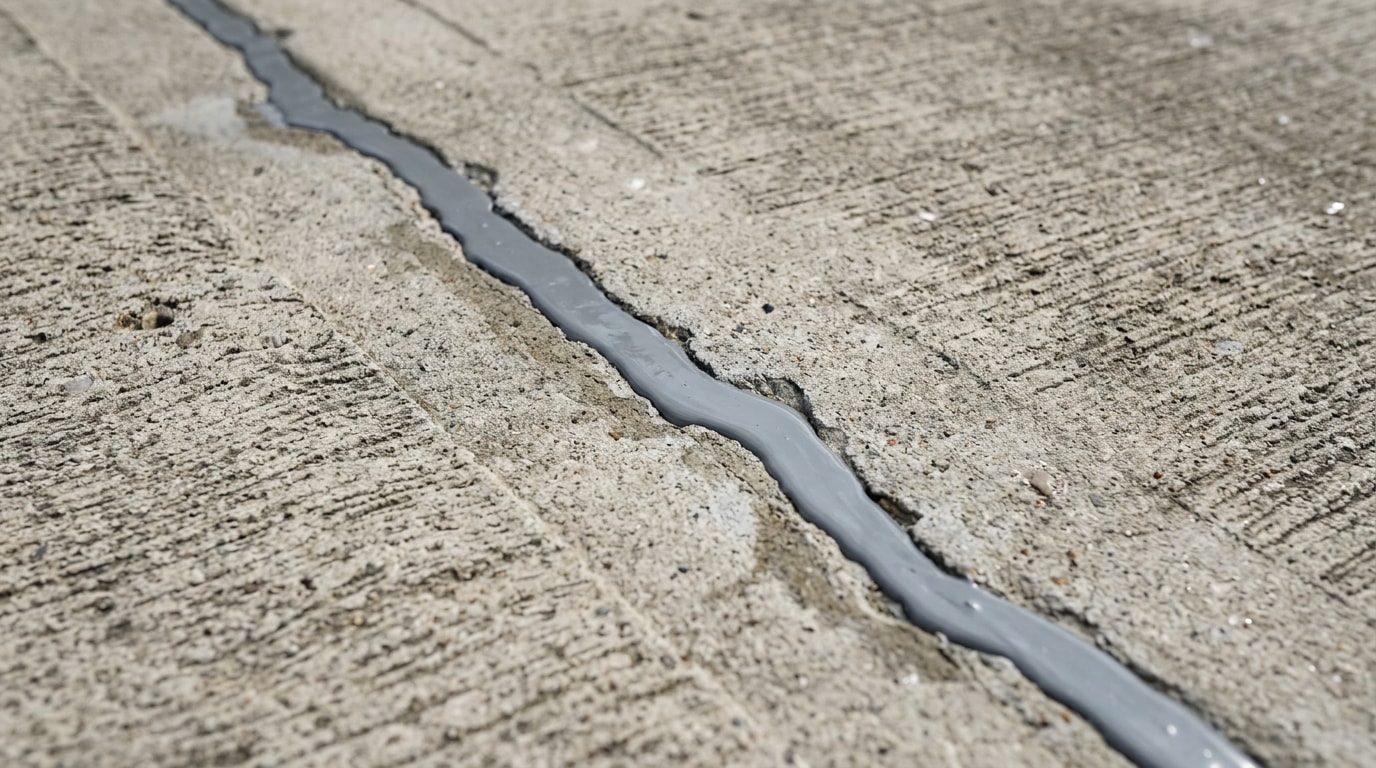
If your driveway already has cracking or settling before you reseal, patching it first matters more than the sealer choice. Our guide to concrete driveway repair in Grand Rapids walks through how to tell whether a crack needs a simple fill or a full section replacement, and the same repair-first logic applies to driveways here in Mason County. For smaller surface cracks, our crack filling service handles prep before any sealer goes down.
Amount of Sealer Applied
Sealer coverage rate matters more than most homeowners expect.
Over-applying sealer can trap moisture underneath, causing a cloudy or flaky surface. Under-applying leaves gaps that let water and salt back in.
Manufacturer labels list coverage in square feet per gallon for a reason. Following that number, rather than eyeballing it, is what separates a proper sealer job from a redo a year later.
Removing Old or Failing Sealer
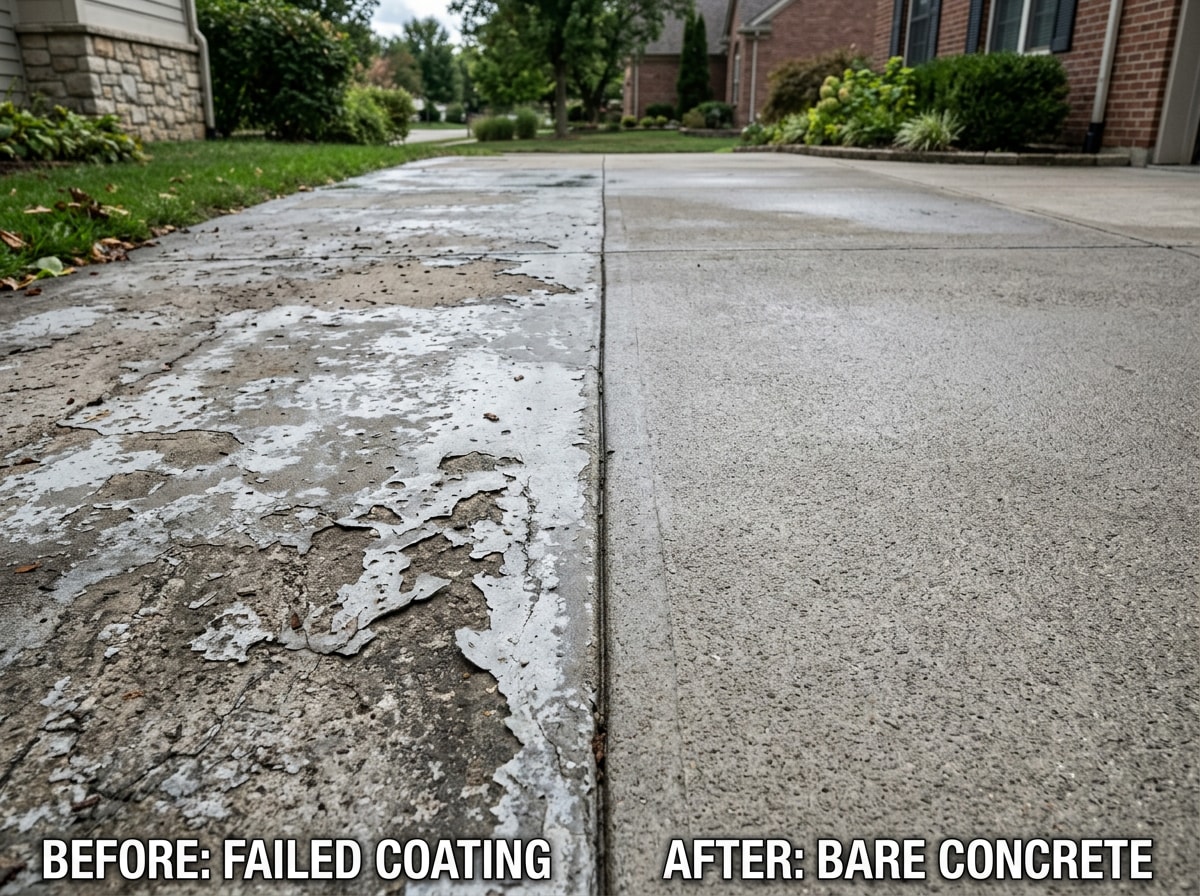
Old sealer that's turned cloudy, white, or started peeling needs to come off before a fresh coat goes down. Resealing over failing sealer just traps the problem underneath instead of fixing it.
Concrete sealer stripping is typically done with low-pressure dustless media blasting or eco-friendly sealer removal products rather than harsh solvent strippers. Those older-style strippers can generate regulated airborne emissions. Solvent use and surface coating operations, including paint and coating strippers, fall under their own set of federal air pollution regulations. That's part of why ventilation and disposal matter on a stripping job, and why surface prep across the whole slab is usually a job best left to a professional crew.
Ready to get started? Request a free quote from a local crew that knows what Ludington winters do to a driveway. We also serve nearby Manistee homeowners dealing with the same lake-effect freeze-thaw cycle.
FAQ
How Much Does It Cost to Seal a Concrete Driveway?
DIY materials typically run $50 to $150 for an average driveway. Professional sealing generally costs $1 to $3 per square foot once labor, surface prep, and equipment are included. In Mason County's winters, a penetrating sealer's higher upfront cost usually pays for itself by avoiding salt and freeze-thaw repairs down the road.
How Long Does Concrete Sealer Take to Dry?
Most sealers are touch-dry within one to four hours but need 24 to 72 hours before foot traffic and up to a week before parking vehicles. Cooler, humid shoulder-season weather near the lake can stretch that cure time longer than the label suggests.
Should I Seal My Driveway Myself or Hire a Pro?
DIY application with a sprayer or roller works fine for small, simple jobs. A professional is worth it for crack repair, even coverage, and proper surface prep, especially on larger or decorative driveways.
What Is the Best Time of Year to Seal a Concrete Driveway?
Aim for dry weather with air and slab temperatures between roughly 45°F and 90°F. Water-based sealers specifically need to be applied when air and concrete temperatures are 45°F and rising, but not higher than 90°F. In West Michigan, that usually means spring or early fall, avoiding summer heat spikes and the risk of an early frost.
Is Sealing a Concrete Driveway Actually Worth It?
Yes, especially this close to Lake Michigan. Sealing blocks the water intrusion that drives freeze-thaw scaling and salt damage, which are the two biggest reasons concrete driveways fail early in this climate. Skipping it doesn't save money long-term; it just moves the cost from a sealer job to a slab repair or replacement.
Can You Seal a Brand-New Concrete Driveway Right Away?
No. New concrete needs to cure fully before sealing, typically around 28 days, so trapped moisture can escape and the surface can develop proper strength. Sealing too early can trap vapor underneath and cause cloudiness or bonding failure.